How to Start a Flower Shop in Dubai – 2025 Guide

In a city that celebrates life’s every moment, from grand weddings to intimate anniversaries, the demand for fresh, beautiful flowers is constant. Coupled with Dubai’s world-class logistics and a population that shops online for convenience, starting a flower business in Dubai presents a blooming opportunity. Whether you dream of a charming physical flower shop in a bustling neighborhood or a dynamic online flower business in Dubai reaching customers across the Emirates, the market is ripe for growth. This guide will show you how to turn your passion into a profitable venture, covering everything from obtaining your floral business license to building your brand. Why a Flower Business in Dubai is a Blooming Opportunity Dubai isn’t just a city of skyscrapers; it’s a city of celebrations, connections, and impeccable taste. This creates a uniquely fertile ground for a flower business. Here’s why your venture is poised for success: In short, you have the perfect storm of demand, infrastructure, and business-friendly policies. This makes obtaining your floral business license one of the smartest first steps you can take. How Much Does It Cost to Open a Flower Shop? The total investment to start a flower business in Dubai can vary, but a realistic range is between AED 12,000* and AED 40,000*. The final cost depends on your business model (online-only vs. physical store) and scale. Cost Component Online-Only Shop (Estimated*) Hybrid Model (Online + Small Kiosk*) Trade License AED 5,000 – AED 15,000 AED 7,000 – AED 20,000 E-Commerce Platform & Website AED 3,000 – AED 10,000 AED 3,000 – AED 10,000 Initial Inventory & Supplies AED 2,000 – AED 5,000 AED 5,000 – AED 10,000 Logistics & Delivery Setup AED 1,000 – AED 3,000 AED 2,000 – AED 5,000 Marketing & Branding AED 1,000 – AED 5,000 AED 2,000 – AED 8,000 Total Estimated Cost ~AED 12,000 – AED 28,000 ~AED 19,000 – AED 53,000 Note: These are estimated figures. For a precise quote tailored to your plan, contact our experts today. Your 8-Step Blueprint to Launching Your Dubai Flower Shop Step 1: Craft Your Business Plan & Define Your Niche Before any paperwork, answer these questions: Will you focus on luxury weddings? Subscription services? Everyday bouquets? Your plan will guide all subsequent steps. Step 2: Choose and Reserve Your Business Name Select a unique name that complies with the DED’s naming regulations by avoiding offensive, religious, or government-related terms. Once approved, the name can be formally reserved to secure your brand identity. Step 3: Select Your Business Jurisdiction: Mainland vs. Free Zone Your choice between a Mainland and Free Zone license is crucial, as it determines your ownership, operational scope, and office requirements. For an Online-First Business (Free Zone): For a Physical Shop & Local Trade (Mainland): Recommendation: For an online flower business, a Free Zone like Dubai CommerCity or the Dubai Flower Centre is highly recommended. Step 4: Apply for Your Flower Shop License This is the key legal document. The process involves submitting your application and documents (passport copies, NOC if required) to the DED (Mainland) or your chosen Free Zone Authority. Step 5: Source Your Flowers and Supplies Step 6: Build Your E-Commerce Website Your digital storefront. Emphasize: Step 7: Set Up Your Delivery & Logistics Partner with reliable courier services or build an in-house team. Stress the importance of speed and care for delicate floral products. Step 8: Lay the Foundation for Your Marketing Launch A strong initial marketing plan is essential to attract your first customers. Crucial Legal and Operational Considerations for Your Flower Shop Beyond the initial setup, running a successful flower business involves adhering to ongoing regulations and making smart operational choices. Finding Your Niche: How to Stand Out in Dubai’s Flower Market Dubai’s market is lucrative but competitive. To succeed, you can’t just be “another flower shop.” Define your Unique Value Proposition (UVP) from day one. Driving Sales: Marketing Your Dubai Flower Business Go beyond the basics with these actionable tactics: Conclusion: Let Shuraa Help Your Business Bloom Starting a flower business is an exciting venture. While the process is straightforward, having an expert guide can save you time, avoid costly errors, and get you to market faster. Shuraa Business Setup simplifies every step—from choosing the right flower shop license to helping you launch your online flower store. We make your dream to start a flower business in Dubai a reality with transparency and efficiency. Ready to begin? Get in touch with us today for a free consultation! Frequently Asked Questions (FAQ) 1. What is a floral business license, and why do I need it? A floral business license or flower shop license is a trade license issued by the DED or a Free Zone Authority that legally permits you to sell flowers, bouquets, and floral arrangements within the UAE. Operating without one can lead to significant fines. 2. How can I start a flower business in Dubai? To start a flower business in Dubai, follow these key steps: 1) Define your niche and business plan, 2) Choose a business name and jurisdiction (Mainland/Free Zone), 3) Apply for your trade license, 4) Source your flowers and supplies, and 5) Build your e-commerce website and delivery system. Working with a business setup consultant can streamline this entire process. 3. How much does it cost to open a flower shop in Dubai? The cost to open a flower shop in Dubai can start from AED 12,000* for a basic online setup and can go up to AED 40,000+ for a model with a physical storefront. Key costs include the license, website development, and initial inventory. 4. Can a foreigner start a flower business in Dubai? Absolutely. Yes, by setting up your company in one of Dubai’s many Free Zones, you can enjoy 100% foreign ownership of your flower business in Dubai. 5. Is the flower business profitable in Dubai? Yes, the flower business in Dubai has strong profit potential due to high demand from a culture of gifting and events, a premium market allowing for healthy margins, and a tax-free environment with world-class logistics like the Dubai Flower Centre. 6. Do I need a physical shop to start a flower business? No, you do not need a physical shop. You can start
What to Do After Setting Up Your Company in Dubai: Your 10-Step Post-Registration Checklist

Congratulations on registering your company in Dubai—a pivotal achievement. Now, the crucial phase begins: transforming your legal entity into an operational, compliant, and scalable business. Many entrepreneurs mistakenly believe the process ends with the trade license, only to face delays, fines, or operational hurdles. This isn’t just a guide; it’s your strategic blueprint. We’ve distilled 25+ years of on-the-ground experience into this 10-step checklist to transform your newly registered entity into a fully functional UAE success story. Step 1: Open a Corporate Bank Account Your corporate bank account is the financial heart of your business. UAE banks are thorough, and the process can be meticulous. Expert Insight: Don’t just choose the first bank you find. Consider transaction fees, online banking capabilities, international transfer ease, and minimum balance requirements (typically from AED 5,000 to AED 500,000+). The Process Involves: Step 2: Secure UAE Residency Visas You can’t run your business from abroad. Securing residency visas for yourself, your family, and future employees is critical. The process is multi-stage: Pro Tip: Your company’s visa quota is directly tied to your office size. Plan your space according to your hiring needs. Step 3: Register for the Wage Protection System (WPS) The UAE’s WPS is a non-negotiable compliance standard. This electronic system ensures employees are paid correctly and on time. Why It’s Critical: Failure to register or comply can result in fines from AED 5,000 to AED 50,000, a frozen labour file, and an inability to apply for new visas. Your Payroll Setup Must Include: Step 4: Establish Your Accounting & Bookkeeping Foundation UAE law mandates maintaining financial records for at least five years. Robust accounting isn’t just for compliance; it’s your roadmap to profitability. Essential Accounting Tasks: Step 5: Complete Your VAT Registration If your taxable supplies exceed AED 375,000 annually (or AED 187,500 voluntarily), VAT registration is mandatory. The Strategic Advantage: Only VAT-registered businesses can reclaim input tax. Operating without registration means you absorb these costs as an expense, reducing your competitiveness. The Federal Tax Authority (FTA) imposes significant penalties for non-compliance. Step 6: Ensure Ongoing Regulatory Compliance Compliance in the UAE is dynamic. Overlooking annual renewals can suspend your license. Key Compliance Pillars: Step 7: Secure Your Physical Office Space Your license often dictates your office requirements. The right space boosts credibility and meets visa quotas. Options to Consider: Step 8: Protect Your Brand with Trademark Registration Your brand is your most valuable asset. A registered trademark in the UAE protects your name, logo, and tagline from infringement, preventing costly legal disputes and brand dilution. Step 9: Build a Compliant HR Framework Your people are your advantage. A strong HR foundation from day one fosters a positive culture and mitigates risk. Core HR Functions: Step 10: Leverage Strategic Outsourcing In the early stages, hiring full-time PRO, HR, and accounting staff is costly. Outsourcing provides expert support on demand, allowing you to focus on core business activities while ensuring full compliance from day one. Beyond the Checklist: Building a Resilient Business in the UAE A true market leader thinks beyond the immediate checklist. Here are two advanced considerations most guides miss: Conclusion: Your Partner for Long-Term Success in the UAE Navigating the post-registration landscape requires more than a checklist—it demands local expertise, meticulous attention to detail, and a partner who understands the evolving regulatory environment. This guide has outlined the path. Now, let an expert guide you on the journey. Shuraa Business Setup, with over 25 years of experience, moves beyond simple company formation to become your long-term partner in growth, providing expert guidance on everything from banking and visas to ongoing compliance, tax management, and strategic planning. Let us handle the complexities, so you can focus on what you do best: building your business. Ready to operationalize your Dubai company with confidence? Contact Shuraa today. Call: +971 4 408 1900 | WhatsApp: +971 50 777 5554 | Email: info@shuraa.com Frequently Asked Questions (FAQs) 1. What is the first thing I should do after getting my Dubai trade license? The absolute first step is to open a corporate bank account. It is the foundation for all financial operations, including receiving payments and processing salaries. 2. How long does it take to get a visa after company setup? The entire process, from issuance of the Establishment Card to visa stamping, typically takes 2-4 weeks, provided all documents are accurate and complete. 3. Is VAT registration mandatory for all new companies in the UAE? No, it is mandatory only if your annual taxable supplies and imports exceed AED 375,000. However, voluntary registration is possible if you exceed AED 187,500 and can be beneficial to reclaim input tax. 4. What happens if I don’t register with the Wage Protection System (WPS)? Non-compliance with WPS leads to severe penalties, including fines up to AED 50,000, suspension of your company’s ability to apply for new visas, and a freeze on your MOHRE labour file. 5. Why do I need a physical office if I have a virtual license? While certain free zone licenses offer flexibility, a physical office is often required for mainland companies and is directly linked to the number of visas your company can sponsor. It also enhances credibility with clients and partners. Disclaimer: This guide is for informational purposes only and does not constitute professional advice. UAE regulations change, so consult with our experts for guidance specific to your company.
What is UAE PASS and Why Resident & Business Owners Should Have It
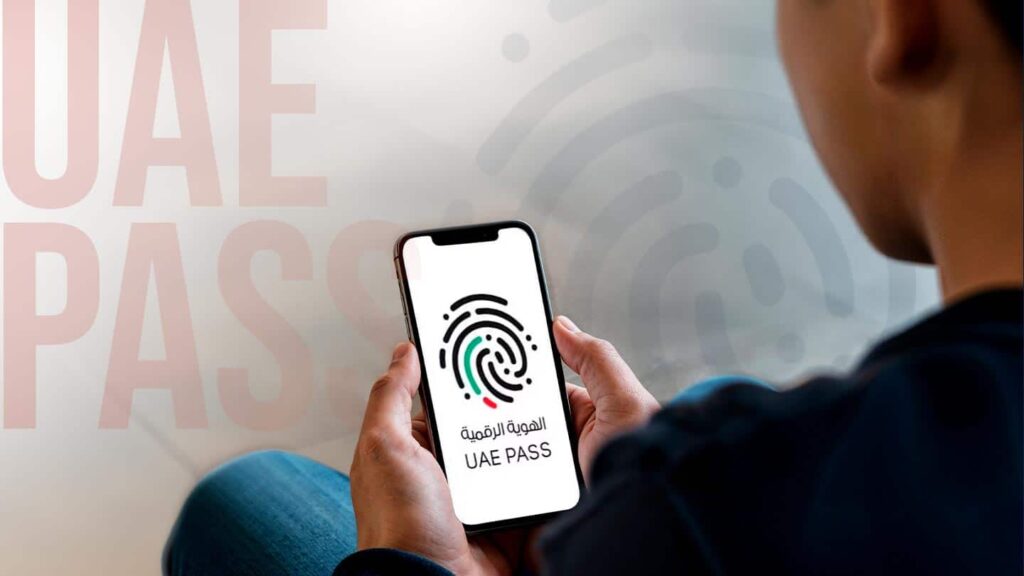
The UAE is rapidly becoming a fully digital nation. Services that once required long queues and paperwork can now be completed online in just a few clicks. From visa applications and utility bills to banking and business approvals, everything is moving toward a smarter, faster, and paperless way of working. At the heart of this transformation is UAE PASS. In simple terms, it is your official digital identity for the UAE. It allows you to log in securely to government and private sector platforms, sign documents digitally, and access critical services without ever visiting an office in person. For residents and business owners, UAE PASS has quickly become essential. Whether you are checking your visa status, opening a bank account, filing taxes, or managing company documents, it makes everything quicker and more seamless. So, let’s explore exactly what UAE PASS is, how it works, and why it is key to a simpler life in the UAE. What is UAE PASS? UAE PASS is the UAE’s secure national digital identity and signature solution. Think of it as your official “digital key” or “digital twin” on your smartphone. It electronically verifies your identity, allowing you to access hundreds of online services and sign legally binding documents without visiting a service centre or presenting a physical ID card. It was launched as a critical joint initiative by three key government authorities to ensure nationwide integration: The government introduced UAE PASS to solve three core challenges: One Secure Login for Everything: UAE PASS functions as a Single Sign-On (SSO) solution. Once set up on your phone, it becomes your one key to log in seamlessly to: Who Can Use UAE PASS? UAE PASS is designed for everyone who lives, works, or does business in the UAE. The primary requirement for all users is a valid Emirates ID. Note: Included under the “Residents” category, specific groups like Students and Job Seekers also use UAE PASS to verify their identity for educational portals, internship applications, and official job platforms. Key Features of UAE PASS UAE PASS transforms how you interact with services by making them faster, more secure, and entirely digital. Here are the key features that make it indispensable: Benefits of UAE PASS for Residents UAE PASS makes everyday life in the UAE easier, faster, and completely digital. Instead of standing in queues or filling out repetitive forms, residents can now manage most services from their phone. Here’s how it helps: Benefits of UAE PASS for Business Owners For business owners in the UAE, UAE PASS is a powerful tool that simplifies operations, government interactions, and documentation. It helps you run your business faster, smarter, and with less paperwork. Government Services You Can Access Using UAE PASS UAE PASS provides secure, one-click access to a vast ecosystem of government and semi-government services across the UAE. Below are the key service categories available. Visa & Immigration Services Emirates ID & ICA Services Driving & Transport Services Utility & Housing Services Healthcare & Insurance Services Police & Legal Services Business & Licensing Services Taxation Services Banking & Financial Services Education & Employment Services With UAE PASS, this extensive network of services is unified under one secure digital identity. How to Register for UAE PASS (Step-by-Step Process) Signing up for UAE PASS is a quick, fully digital process. You will need: Step 1: Download the UAE PASS App Download the official “UAE PASS” app from the Apple App Store (iOS) or Google Play Store (Android). Install and open the app. Step 2: Begin Registration & Verify Contact Details Tap “Create Account” or “Register.” Enter your UAE mobile number and email address. Verify each by entering the One-Time Passwords (OTPs) sent to you. Step 3: Scan Your Emirates ID The app will prompt you to scan your physical Emirates ID. You can do this in two ways: Step 4: Complete Biometric Face Verification To ensure security, you will now complete a live facial scan. Follow the on-screen instructions to position your face within the frame. This matches you to your Emirates ID photo. Step 5: Set Your Secure PIN Create a confidential 4 or 6-digit PIN. You will use this PIN, along with biometrics, to confirm your identity for logins and digital signatures. Do not share this PIN. Step 6: Registration Complete Your UAE PASS digital identity is now created and active. You will typically be logged in automatically to the app. Step 7: Start Using UAE PASS You’re ready to go! When visiting a government or private service website/app, select the “Login with UAE PASS” button. A request will appear on your phone; approve it using your PIN or biometrics for instant, secure access. Is UAE PASS Secure? Yes, UAE PASS is highly secure. It is the UAE’s official, government-backed digital identity, developed and maintained by federal authorities (TDRA, Abu Dhabi Digital Authority, Smart Dubai) to meet the highest national standards for cybersecurity and data protection. Here are the key security features that safeguard your identity: In essence, UAE PASS is designed to be more secure than traditional physical IDs and paperwork, significantly reducing the risk of identity theft and fraud. Is UAE PASS Mandatory? UAE PASS is not universally compulsory, but for a rapidly growing number of critical government and business services, it has become the primary or only method of access. The UAE’s digital strategy is clearly moving toward making it the standard for all official transactions. Where It Is Effectively Mandatory For an expanding list of essential services, UAE PASS is now the required login method. This includes key portals such as: Where It Is Optional (But Highly Recommended) Some older platforms may still offer alternative login methods (like a traditional username/password). However, UAE PASS is overwhelmingly the better choice because it is: Practical Necessity by User How Shuraa Can Help with UAE PASS & Business Services While UAE PASS provides the digital gateway, navigating government systems and procedures requires expert knowledge. Shuraa Business Setup acts as your guide and partner, ensuring you leverage UAE PASS and other platforms seamlessly for a smooth, efficient business journey. End-to-End Business Setup Whether you’re establishing a mainland, free zone, or offshore company, we manage the entire registration process. We help you select the optimal license and secure all approvals, efficiently utilizing UAE PASS-enabled
What is the Visa Quota in Dubai: Complete 2025 Guide
If you’re considering starting a business in Dubai or already running one, knowing about visa quotas in the UAE is important. It plays a big role in how many people you can hire, how your office is set up, and how smoothly your business can grow. Many business owners only hear about visa quotas when they suddenly need to hire more staff, and by then, it can feel confusing. Could you please clarify what a visa quota in Dubai entails? In simple terms, it’s the maximum number of residence or work visas your company is allowed to issue under its trade license. This number depends on things like your business activity, office size, and whether your company is in the mainland or a free zone. Therefore, we’re here to explain everything in an easy-to-understand way: what a visa quota means, why it matters, how to obtain a visa quota in Dubai, how many visas you can obtain, and what to do if you need more. What is Visa Quota in Dubai? Dubai’s visa quota system determines how many employee visas a company can get, primarily linked to its office size (typically 1 visa per 9 sq. meters) for physical offices, with flexi-desks offering fewer (1-3 visas), and variations by Free Zone or Mainland, often starting with 3-6 visas for new setups, requiring MOHRE approval and occasionally an inspection. Quotas can be increased with more space or special approval, involving fees. Why Does the UAE Have Visa Quota Rules? The UAE government enforces visa quotas for three primary strategic reasons: Who Manages the Visa Quota in the UAE? Who controls your visa quota depends on your business location: Factors That Determine Your Visa Quota in the UAE Your visa quota in Dubai isn’t fixed; it’s decided based on several important factors. Let’s break them down in a simple way: 1. Office Space Size One of the major factors is how big your office is. In most cases, authorities allocate visas based on the size of your workspace. As a general rule, you may be allowed one visa for every 80–100 sq. ft. (around 9 sqm) of office space. Therefore, the bigger your office, the higher your visa quota can be. Example: A 50 sq. m office typically grants you roughly 5–6 visas. If you are a startup using a “Flexi-Desk” (a shared workspace often included in cheaper license packages), your quota is usually capped strictly at 2 to 3 visas maximum, regardless of your revenue. To gain more, you must upgrade to a physical office. 2. Type of Business License & Activity Your business activity also plays a big role. For example, a consultancy firm, a trading company, and a manufacturing unit may all have different visa limits even with the same office size. Some activities naturally require more staff, so they may receive a higher quota. 3. Emiratisation (Tawteen) Companies with 50+ skilled employees’ risk having their visa quota frozen if they fail to meet the 2% annual Emiratisation target. You literally cannot hire new expats until you hire the required number of UAE Nationals. 4. Workforce Diversity For Mainland companies, MOHRE monitors the “Demographic Diversity” of your workforce. If you hire too many employees from a single nationality, you may face difficulties expanding your quota or pay significantly higher visa fees (moving from Category 1 to Category 2 or 3). 5. The number of Existing Employees If your company already has active employees under its visa quota, this directly affects how many new visas you can apply for. For example, if your total allowed quota is 10 and you already have 8 employees sponsored, you can only apply for 2 more visas unless your quota is increased. 6. Company Legal Structure Your company’s legal structure (such as Sole Establishment, LLC, Branch Office, or Partnership) can also impact your visa quota. Some structures naturally allow more flexibility in staffing compared to others, depending on approval authorities and business scale. Visa Quotas in Free Zones vs Mainland — What’s the Difference? Your visa quota in Dubai is greatly affected by where your company is registered – in a Free Zone or on the Mainland. While both allow you to sponsor employees, the rules, limits, and flexibility are quite different. Let’s break it down in an easy way. A) Visa Quota in Free Zones: In free zones, your visa quota is handled directly by the free zone authority where your business is registered (e.g., IFZA, DMCC, JAFZA, DAFZA). Here, the number of visas you receive is mostly tied to your office package and workspace type. Startups and small teams benefit greatly from free zones, but failure to upgrade your office space may limit your growth. B) Visa Quota in Mainland: MOHRE and GDRFA manage visa quotas for mainland companies. Here, the quota is mainly based on your office size and business activity. Mainland setups usually offer more freedom to scale your workforce, especially for retail, trading, and service-based businesses. Key Differences: Feature Mainland Company Free Zone Company Primary Regulator Ministry of Human Resources (MOHRE) Free Zone Authority (e.g., DMCC, IFZA, JAFZA) Quota Basis Office Size (~9 sq. m/person) + Compliance License Package + Office Size Flexi-Desk Limit N/A (Physical office usually required) Strictly capped (usually 2–3 visas) Diversity Rules Yes (Strictly monitored) No (Generally not applicable) Emiratization Mandatory for 50+ skilled staff Exempt (mostly) How Do You Calculate & Estimate Your Visa Quota in Dubai? Before you sign a lease or pay for a license package, you should run your own numbers. While the final decision lies with the authorities, you can estimate your eligible quota with high accuracy using these steps: 1. Review Your Office Type or Package Your office setup directly controls your starting visa quota, especially in free zones. If your hiring needs grow, upgrading your office is often the fastest and most practical way to increase your visa quota. 2. Measure Your Office Size (Especially for Mainland Companies) This formula is the baseline calculation used by both Mainland authorities (MOHRE) and most Free Zones with physical offices. The Formula: Total Office Size (in Sq.
How to Start a Healthcare Business in Dubai 2025

Dubai has rapidly evolved into a global hub for advanced medical care, technology, and healthcare innovation, making it a prime location for entrepreneurs and investors looking to launch healthcare businesses there. With a growing population, increased demand for specialised medical services, and supportive government regulations, establishing a healthcare business presents vast opportunities across clinics, hospitals, pharmacies, telemedicine, and wellness centres. The healthcare business process in Dubai requires understanding licensing requirements, obtaining approvals from authorities such as the Dubai Health Authority (DHA), and complying with strict quality standards. With proper planning and strategic execution, Dubai offers a thriving environment for building a successful and impactful healthcare venture. Is Starting a Healthcare Business in Dubai Still Profitable? Yes — and the numbers prove it: Why Dubai Remains the Top Choice in 2025 Here’s why investing in the healthcare sector is a smart move. 1. Rapidly Growing Population & Expat Community Dubai’s expanding population and large expatriate community are creating a continuously rising demand for medical and wellness services. This makes it an ideal time to start a healthcare business in Dubai, with opportunities across hospitals, clinics, pharmacies, wellness centres, and telemedicine services. 2. Government Support & Investment in Healthcare Infrastructure The UAE government strongly supports healthcare development, offering investor-friendly policies, advanced medical zones, and free zones dedicated to healthcare. These advantages simplify the setup of healthcare businesses in Dubai and encourage innovation and growth. 3. High Demand for Quality Medical Services Patients from around the world visit Dubai for advanced treatments, medical tourism, and specialised care. Establishing a healthcare business enables investors to cater to both local and international patients seeking top-notch facilities. 4. Strategic Global Location Dubai’s geographic position connects Asia, Europe, and Africa, making it a hub for medical tourism. This enables healthcare providers to access diverse patient populations and to collaborate globally. 5. Advanced Technology & Innovation Ecosystem Digital health, AI-driven healthcare, and innovative medical solutions are rapidly developing in the UAE. Investors who start a healthcare business can leverage advanced technology and supportive regulatory frameworks. 8 Types of Healthcare Businesses That Are Working Right Now (2024–2025 Real Examples) Dubai’s healthcare sector is rapidly expanding, offering diverse opportunities for investors, medical professionals, and entrepreneurs. With advanced infrastructure, an increasing population, and government focus on medical innovation, various types of healthcare businesses can thrive in Dubai. Here are the major categories: 1. Private Hospitals & Speciality Medical Clinics Private clinics and hospitals are among the most in-demand healthcare businesses in Dubai. Entrepreneurs can establish multi-speciality hospitals, specialised clinics (dental, dermatology, orthopaedic, fertility, physiotherapy), or general family healthcare centres. DHA or MOHAP regulates these facilities, and they must meet quality and safety standards. The demand for premium private healthcare services continues to grow due to medical tourism and the expat population. 2. Day Surgery & Ambulatory Care Centres Ambulatory centres provide outpatient medical services such as diagnostics, minor surgeries, urgent care, and rehabilitation without the need for overnight hospitalisation. They offer a cost-effective alternative to full-scale hospitals and are ideal for specialities like day surgery, oncology treatment, dialysis, and radiology services. 3. Medical Research & Publishing Companies Medical publishing companies produce and distribute healthcare journals, research papers, educational medical books, pharmaceutical guides, and digital content. This sector supports healthcare professionals, students, and universities by providing verified, up-to-date knowledge. With Dubai emerging as a global hub for research and innovation, medical publishing has strong growth potential. 4. Medical Universities & Healthcare Education Institutions Educational institutions in the medical field offer undergraduate and postgraduate programs in medicine, nursing, pharmacy, dentistry, radiology, physiotherapy, and more. Investors can collaborate with international universities to establish accredited medical schools, training centres, and research institutes, supporting Dubai’s goal of becoming a leading regional academic hub. 5. Healthcare Skill Development & Professional Training centres These include specialised healthcare training academies that provide certifications, workshops, and skill-based programs for medical professionals, such as nurses, pharmacists, clinicians, ambulance staff, and technicians. Courses include CPR, first aid, infection control, medical coding, and clinical skill development. DHA, or KHDA, must license training centres. 6. Healthcare Investment & Management Firms These firms manage investments and funding for hospitals, clinics, pharma companies, labs, and medical startups. They evaluate healthcare assets, raise capital, support mergers, and develop financial strategies. With rising healthcare demand and government support for private sector growth, healthcare investment companies are becoming a significant business category. 7. Charitable and non-profit healthcare organisations Non-profit healthcare organisations focus on community health awareness, charity medical programs, health camps, patient support services, and disease prevention initiatives. They often collaborate with hospitals, government authorities, and global NGOs. These entities play a vital role in public health improvement and social care. 8. Healthcare Strategy & Consultancy Firms Healthcare consultancy firms assist investors and healthcare operators with licensing, feasibility studies, market research, regulatory compliance, facility planning, branding, and operational management. They guide businesses through the DHA, DHCC, and MOHAP approval processes, ensuring a smooth setup and sustainable operations. Healthcare Business Setup in Dubai Healthcare City Free Zone Dubai Healthcare City (DHCC) stands as one of the most prominent and specialised destinations for healthcare business setups in Dubai, offering a top-tier ecosystem designed specifically for medical excellence and innovation. If you want to start a healthcare business in Dubai within a fully equipped medical hub, DHCC provides an ideal environment, with exceptional infrastructure, regulatory support, and global healthcare connectivity. DHCC is home to a growing community of medical professionals and leading institutions, including modern hospitals, specialised treatment centres, wellness hubs, research labs, and educational facilities. It attracts thousands of experts and patients from around the world. Additionally, it’s one of the best healthcare businesses in Dubai for entrepreneurs, investors, and established medical brands. Key Advantages of Setting Up in DHCC Businesses operating within this free zone enjoy a wide range of benefits, including: Entrepreneurs have flexible options for company formation, such as a Free Zone Limited Liability Company, a Free Zone Establishment, or a branch of an existing UAE or international entity. Healthcare activities are allowed in DHCC. DHCC supports a
Dubai vs. Abu Dhabi for Business: The Strategic Guide to Choosing Your UAE Hub
The first and most important strategic decision for your UAE business is choosing between Dubai vs. Abu Dhabi. It is not about which city is superior, but which powerhouse is the perfect engine for your specific ambition. This choice will dictate your market access, operational costs, regulatory pathway, and growth trajectory from day one. Dubai operates as the world’s hyper-connected commercial hub, a launchpad for startups and global brands into high-growth markets. Abu Dhabi, the capital, is the bedrock of long-term stability, offering sovereign-backed scale for industrial and strategic ventures. With over 25 years of experience guiding more than 100,000 businesses, Shuraa Business Setup provides the expert framework in this guide to cut through the clutter. We will equip you with the insights to make a confident, strategic choice for your company’s long-term home. Two Economic Powerhouses, One Strategic Choice Understanding the core economic drivers of each emirate is essential to aligning your business with the right ecosystem. Dubai: The Diversified Global Nexus Dubai is a masterclass in economic diversification, with oil contributing less than 1% to its GDP. A nominal GDP of approximately $138 billion is driven by trade, tourism, logistics, real estate, and financial services. This private-sector-led model creates a dynamic, fast-paced environment. Dubai’s genius lies in its connectivity: positioned within an 8-hour flight radius of most major economies, it operates as a gateway for East-West trade and innovation. Abu Dhabi: The Capital of Scale and Stability Abu Dhabi, the capital of the UAE and the largest contributor to the national GDP, stands out for its scale and long-term stability. While rooted in substantial hydrocarbon resources, a strategic vision has successfully diversified its economy. Today, non-oil sectors contribute over 50% of GDP, driven by government-led investments in manufacturing, renewable energy, aerospace, and advanced technology. This translates to a market of major projects, significant capital, and strategic partnerships. The Modern UAE Business Landscape: Clarity and Access Navigating the UAE’s business setup requires understanding the established legal framework, which offers unparalleled advantages for foreign investors. Dubai vs. Abu Dhabi: Your Strategic Decision Framework This comparative framework, enhanced with Shuraa’s expert insights, is designed to guide your choice beyond superficial advantages. Decision Factor Dubai: The Global Commercial Hub Abu Dhabi: The Strategic Capital The Shuraa Insight Core Economic Engine Highly diversified; driven by trade, tourism, logistics, real estate, finance. Oil is <1% of GDP. Largest UAE economy; diversified but with strong roots in oil, energy, manufacturing, and aerospace. Dubai offers agility and market velocity. Abu Dhabi offers scale and sovereign-backed stability. Ideal Business Profile Startups, SMEs, trading firms, international HQs, service-based industries (tech, media, consulting, retail). Large-scale industrial projects, energy & renewables, defense, healthcare, businesses seeking government partnerships. Match your industry to the emirate’s strategic priorities for optimal support and incentives. Regulatory & Setup Environment Fast-paced and flexible, particularly in over 40 specialized free zones. Speedy setup is a hallmark. Structured, policy-driven, and meticulous. Offers immense long-term stability for large investments. Dubai is built for speed to market. Abu Dhabi is built for enduring, scaled operations. Market Access & Logistics Unrivalled global connectivity (ports, airports). A gateway for East-West trade and e-commerce. Direct access to federal government contracts and major regional industrial supply chains. Where are your primary customers, suppliers, and partners located? Free Zone Specialization DMCC (commodities trade), DIFC (finance), Dubai Internet City (tech), Dubai Media City. ADGM (global finance & fintech), KIZAD (industrial logistics), Masdar City (clean tech). Both offer 100% ownership. The choice is about which specialized ecosystem fits your industry. Operational Cost Reality Generally higher for premium office space, visas, and marketing. The price for global visibility. Typically 15-30% lower for comparable commercial rent and living costs. Cost-efficient for scaling. Model your 5-year financial plan. The higher cost in Dubai is an investment in unparalleled access. Final Strategic Verdict Choose Dubai if your success depends on global branding, rapid networking, and a fast-paced, private-sector-led ecosystem. Choose Abu Dhabi if your venture is capital-intensive, benefits from government incentives, and prioritizes long-term, stable growth. This is a foundational strategic decision. The right choice unlocks growth; the wrong one creates friction. Business Setup Costs: Dubai Vs. Abu Dhabi A transparent understanding of costs and the tax regime is vital for planning. Understanding Setup Costs Initial investments vary based on jurisdiction, license type, and visa needs. As a guide: These costs generally encompass trade license fees, registered office/agent fees, and government charges. Shuraa’s Proven Insight: The marginally higher cost of a specialized free zone is often your best initial investment. You’re paying for an ecosystem, industry-specific networking, talent pipelines, and regulatory support, not just a license. Beyond the Checklist: Insights from 100,000+ Client Journeys Beyond the data, successful market entry relies on nuanced understanding. Based on our extensive client portfolio, we advise: Your Next Steps: From Decision to Launch Follow this logical pathway to translate analysis into action: The choice between Dubai and Abu Dhabi is the first test of your venture’s strategic clarity. With the right partner, it becomes a straightforward step toward a successful launch. Are you prepared to put this analysis into practice? The Shuraa team can analyse your specific business model, target market, and growth plan to recommend the optimal jurisdiction and manage your entire setup process. Contact Shuraa Business Setup for a Free Consultation. Further Reading on Shuraa Frequently Asked Questions (FAQs) 1. Which is better for business: Dubai or Abu Dhabi? There is no universal “better”—it depends on your business model. Dubai is the undisputed hub for global trade, tourism, startups, and fast-paced service industries. Abu Dhabi is the strategic capital ideal for long-term, large-scale investments in sectors like energy, aerospace, and government projects, offering greater cost efficiency and stability. The best choice aligns with your industry, target market, and growth timeline. 2. Is it cheaper to set up a business in Abu Dhabi than Dubai? Yes, in most cases. Abu Dhabi typically offers lower commercial rents, warehousing costs, and overall operational expenses. Dubai involves a premium for its global brand visibility and market access. For cost-conscious businesses planning to scale, Abu Dhabi often provides a more efficient cost base. 3. Do both emirates allow 100% foreign ownership? Yes. Following UAE federal law reform, 100%